Gaming is a huge part of many lives, offering relaxation, social connection, and skill development. However, the conversation around "is gaming addiction a disorder" has grown significantly, especially as gaming becomes more integrated into daily routines for adults balancing work, family, and personal well-being. This guide delves into the official recognition of gaming disorder by major health organizations, distinguishing passionate play from problematic patterns. We'll explore the signs, impacts, and practical strategies for maintaining a healthy balance, ensuring your gaming remains a source of enjoyment and not a source of stress. Understand how to identify when gaming might be crossing a line, how it affects real-world responsibilities, and where to seek support if needed. For the average US gamer, who spends over 10 hours a week across various platforms, understanding this topic is crucial for optimizing their experience and protecting their overall quality of life. We'll cover everything from early warning signs to effective coping mechanisms, empowering you to game smart and live balanced.
Is my intense gaming just a hobby or could it be a disorder?
Distinguishing between passionate gaming and a disorder hinges on impact and control. If your gaming is still enhancing your life, providing relaxation and social connection without causing significant problems in your job, relationships, or health, it's likely a healthy hobby. However, if you find yourself unable to cut back despite negative consequences, prioritizing gaming over essential life responsibilities, or experiencing distress when you can't play, then it could be crossing into the territory of a disorder. It's about how gaming fits into your entire life, not just the hours you put in.
What are the clear signs that gaming has become a real problem?
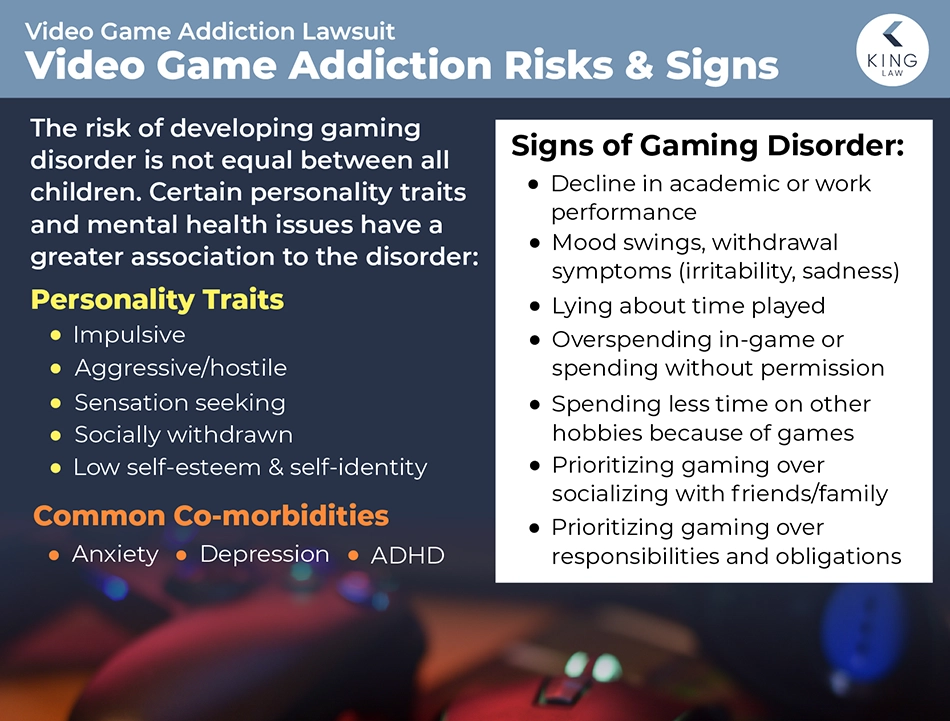
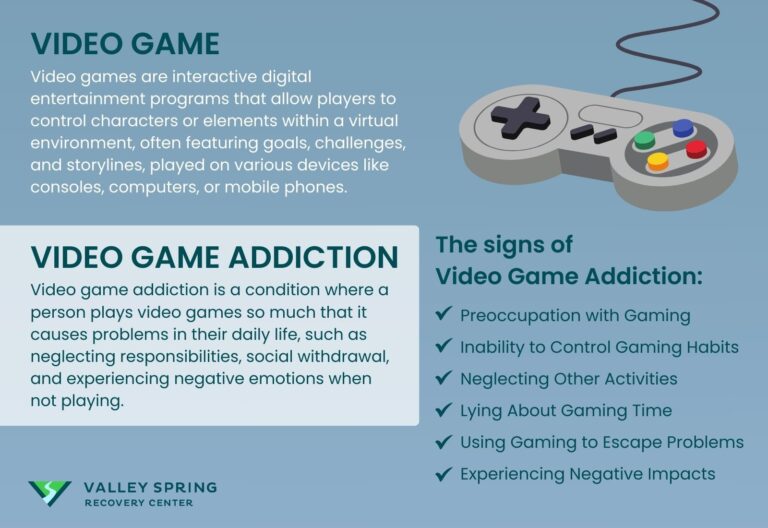
Key indicators that gaming has become a problem include a persistent preoccupation with gaming, experiencing withdrawal symptoms (like irritability) when unable to play, needing to game more to feel satisfied, failed attempts to reduce playtime, neglecting other important activities and relationships, lying about gaming habits, and continuing to game despite obvious negative consequences. If these patterns are significant and last for an extended period, particularly over 12 months, it points to a potential disorder requiring attention.
How does the WHO define Gaming Disorder?
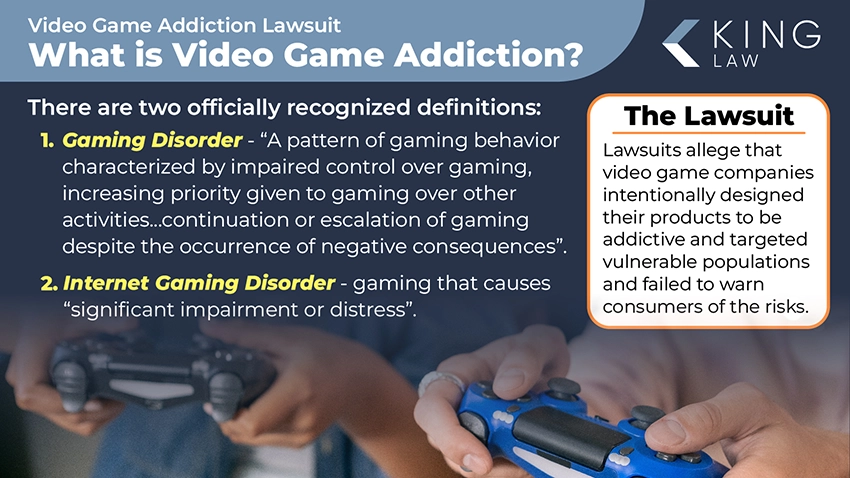
The World Health Organization (WHO) defines Gaming Disorder in ICD-11 as a pattern of gaming behavior characterized by impaired control over gaming, increasing priority given to gaming over other life interests and daily activities, and continuation or escalation of gaming despite the occurrence of negative consequences. For a diagnosis, the pattern must be sufficiently severe to result in significant impairment in personal, family, social, educational, occupational, or other important areas of functioning, and would normally have been evident for at least 12 months.
Can I balance my job, family, and still game without developing a disorder?
Absolutely! Most adult gamers, including the average 36-year-old balancing work and family, successfully integrate gaming into their lives as a healthy form of entertainment, stress relief, and social connection. The key is establishing clear boundaries, prioritizing real-world responsibilities and relationships, setting time limits, and engaging in other hobbies. It's about mindful gaming and ensuring it remains a source of enjoyment, not an escape from obligations. Many US gamers excel at this, showing it's entirely possible.
What are practical steps to prevent gaming from taking over my life?
To prevent gaming from consuming your life, establish clear schedules for gaming sessions and non-gaming activities. Utilize timers or apps to manage playtime and stick to those limits. Actively pursue other hobbies, exercise, and dedicate quality time to family and friends. Make sure gaming doesn't become your sole coping mechanism for stress or boredom. Regularly reflect on how gaming impacts your sleep, work, and relationships, making adjustments as needed. Being proactive and mindful is your best defense.
Where can I get help if I think I or someone I know has a gaming disorder?
If you suspect a gaming disorder, the first step is often talking to a trusted medical professional, like your primary care physician, who can provide referrals. Seeking a mental health therapist, particularly one specializing in behavioral addictions or Cognitive Behavioral Therapy (CBT), can be highly effective. Support groups such as Internet and Technology Addicts Anonymous (ITAA) offer community and shared experiences. Online resources from reputable organizations like the APA or WHO also provide valuable information and directories for finding local assistance.
Are there any specific games or platforms that are more addictive than others?
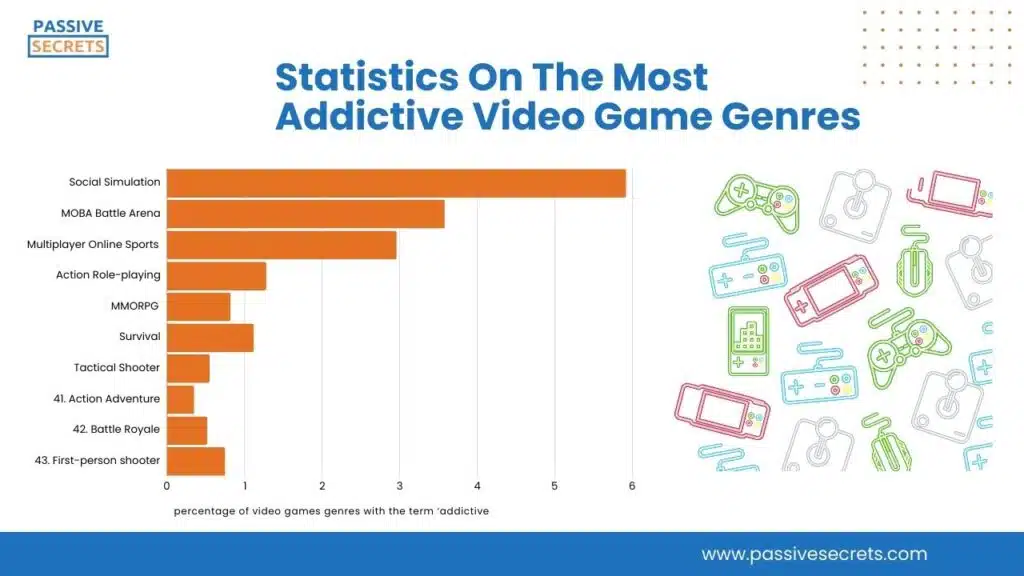
While no game or platform is inherently "addictive," certain characteristics can increase engagement and potential for problematic use. Games with endless progression (MMORPGs), highly competitive environments (esports titles), and free-to-play mobile games with aggressive monetization or daily rewards often encourage longer playtimes. These can be particularly immersive. Cross-platform availability also makes it easier to game continuously. It's less about the game itself and more about an individual's vulnerability and how they interact with the game's design, which can sometimes blur the lines between hobby and compulsion.
Hey fellow gamers! We all love jumping into our favorite worlds after a long day, whether it's for some competitive action, a chill co-op session, or exploring a vast open-world. For many of us, gaming is a vital outlet – a way to relax, connect with friends, challenge our minds, or even learn new skills. In fact, a whopping 87% of US adults game regularly, spending an average of over 10 hours a week across various platforms, from mobile to PC and console. We're a diverse bunch, with the average age around 36, often balancing careers, families, and other life responsibilities.
But with so much of our lives intertwined with digital experiences, a crucial question often comes up: "is gaming addiction a disorder"? It's a valid concern, especially when you're trying to optimize your gaming for maximum enjoyment without it encroaching on your real-world commitments. Distinguishing between a passionate hobby and a problematic pattern can be tricky, yet it's essential for maintaining a healthy, balanced life. This guide is here to cut through the noise, give you the facts, and offer practical, actionable advice to ensure your gaming remains a source of joy and not a source of stress. Let's dive into understanding this topic better and equip you with the knowledge to game smart.
Is Gaming Addiction Officially Recognized as a Disorder?
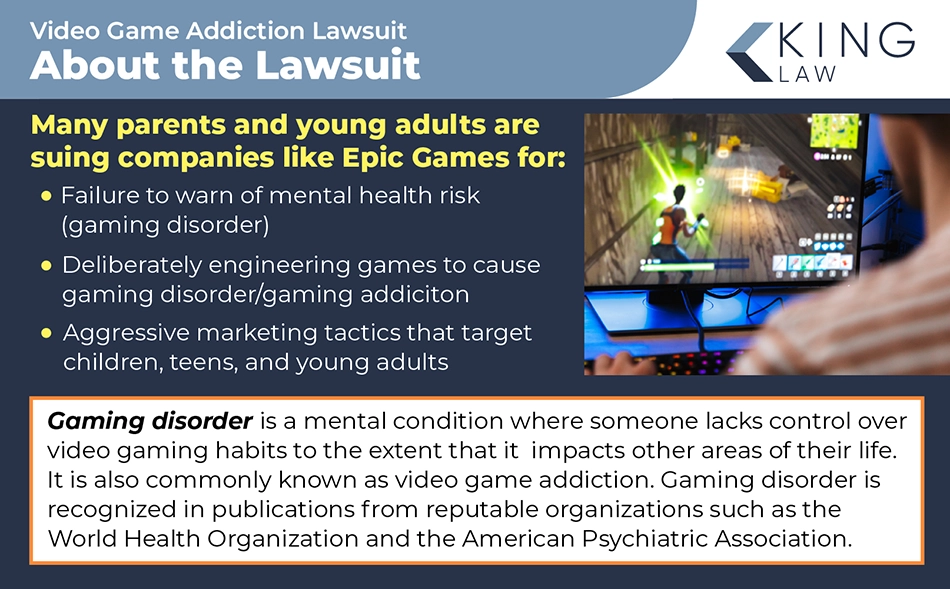
Yes, the concept of gaming addiction is officially recognized by major health organizations, though with slightly different classifications. The World Health Organization (WHO) included "Gaming Disorder" in its 11th Revision of the International Classification of Diseases (ICD-11) in 2018, categorizing it as an addictive behavior disorder. This global recognition highlights that for a subset of individuals, gaming behavior can become severe enough to cause significant impairment in personal, family, social, educational, occupational, or other important areas of functioning. The American Psychiatric Association (APA) in the US lists "Internet Gaming Disorder" in Section 3 of its Diagnostic and Statistical Manual of Mental Disorders (DSM-5), identifying it as a condition warranting further research rather than a formal diagnosis at this time. Both acknowledge that problematic gaming can have serious consequences, prompting a critical discussion around mental wellness in the digital age.
How Does Passionate Gaming Differ from a Gaming Disorder?
Distinguishing between an enthusiastic gamer and someone struggling with a gaming disorder is key. Passionate gaming is a hobby that enhances life; it offers relaxation, social connection, skill development, and entertainment. You might spend many hours gaming, invest in new gear, or follow esports, but your gaming fits into your life without causing significant negative consequences. A gaming disorder, however, involves a pattern of gaming behavior characterized by impaired control over gaming, increasing priority given to gaming over other life interests and daily activities, and continuation or escalation of gaming despite the occurrence of negative consequences. The critical difference lies in the level of control and the resulting impairment to one's life. If gaming causes distress, interferes with work, relationships, or health, that's when it crosses the line from passion to problem.
What Are the Key Signs and Symptoms of Gaming Disorder?
Identifying the signs of a potential gaming disorder can be crucial for yourself or someone you care about. These symptoms are generally consistent with WHO's definition of Gaming Disorder and APA's proposed Internet Gaming Disorder criteria. Keep in mind that these symptoms must be persistent and severe enough to result in significant impairment in personal, family, social, educational, occupational, or other important areas of functioning, typically for at least 12 months, though shorter periods may be considered in severe cases.
Preoccupation with Gaming: Constantly thinking about past gaming sessions or anticipating the next one, even when not playing.
Withdrawal Symptoms: Experiencing irritability, anxiety, or sadness when gaming is not possible.
Tolerance: Needing to spend increasing amounts of time gaming to achieve the same level of satisfaction.
Loss of Control: Unsuccessful attempts to control, cut back, or stop gaming.
Neglect of Other Activities: Losing interest in previous hobbies and entertainment as a result of gaming.
Deception: Lying to family members, therapists, or others about the amount of time spent gaming.
Continuation Despite Negative Consequences: Continuing to game despite knowing it causes significant problems in life, such as job loss, relationship issues, or academic failure.
Jeopardizing Relationships/Opportunities: Sacrificing significant relationships, jobs, or educational/career opportunities because of gaming.
Using Gaming to Escape: Gaming to escape from negative moods or feelings of helplessness, guilt, or anxiety.
How Does Gaming Disorder Impact a Gamer's Real Life?
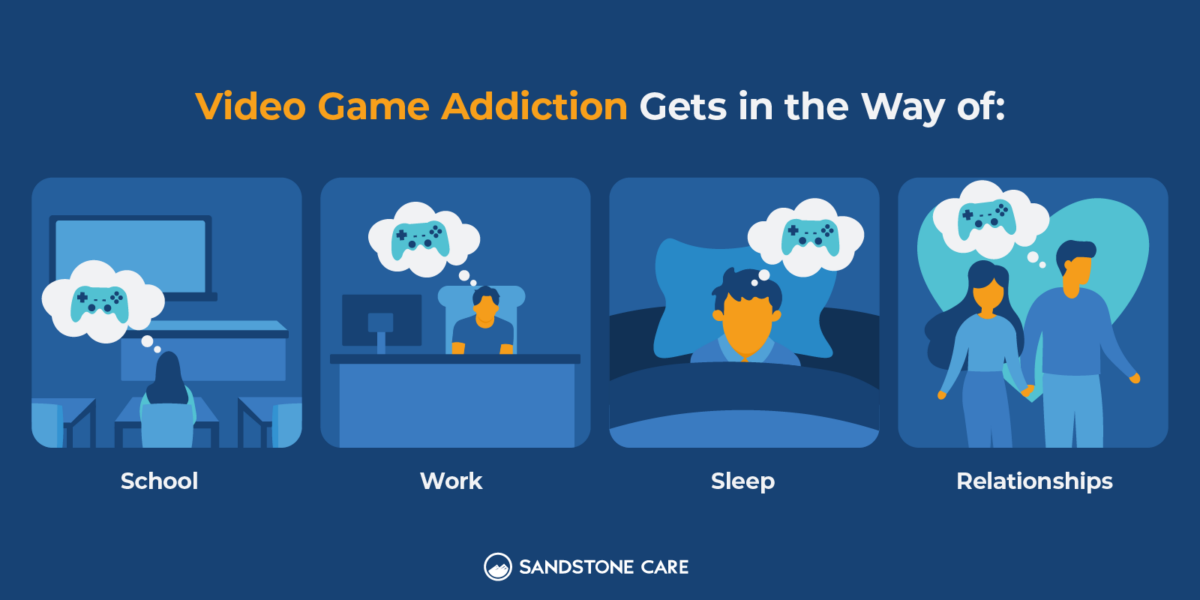
For the busy adult gamer, balancing gaming with a job, family, and personal well-being is a constant act. When gaming transitions from a relaxing hobby to a disorder, its impact can ripple through every aspect of real life. Professionally, missed deadlines, decreased productivity, and even job loss can occur. Relationships suffer as time spent gaming replaces quality time with partners, children, or friends, leading to isolation and conflict. Health-wise, disrupted sleep patterns, poor nutrition, lack of physical activity, and increased stress or anxiety are common. Financially, excessive in-game purchases or neglect of responsibilities can lead to difficulties. Educationally, for younger adults, academic performance can plummet. The core issue is that the individual prioritizes gaming to the detriment of real-world responsibilities and connections, creating a vicious cycle of problems that gaming temporarily seems to alleviate, but ultimately exacerbates.
What US Gaming Statistics Inform Our Understanding of This Issue?
Understanding the landscape of US gaming helps us contextualize discussions around gaming disorder. Recent data reveals a thriving and diverse gaming community. Approximately 87% of US adults are regular gamers, meaning they play at least once a week, often for 10 or more hours weekly. Mobile gaming continues its dominance, providing accessible entertainment for quick sessions on the go. Social gaming is a massive trend, with many connecting with friends and new acquaintances through Discord, in-game voice chat, and co-op experiences. This month's trends continue to show a strong interest in social simulation games, free-to-play titles across platforms, and the viewing of esports. While these statistics highlight the positive aspects of gaming – community, relaxation, skill-building – they also underscore the sheer immersion potential. For a small percentage of these dedicated players, the lines between healthy engagement and problematic behavior can blur, making awareness of gaming disorder criteria even more critical for the community as a whole.
Are Certain Game Types or Platforms More Likely to Lead to Disorder?
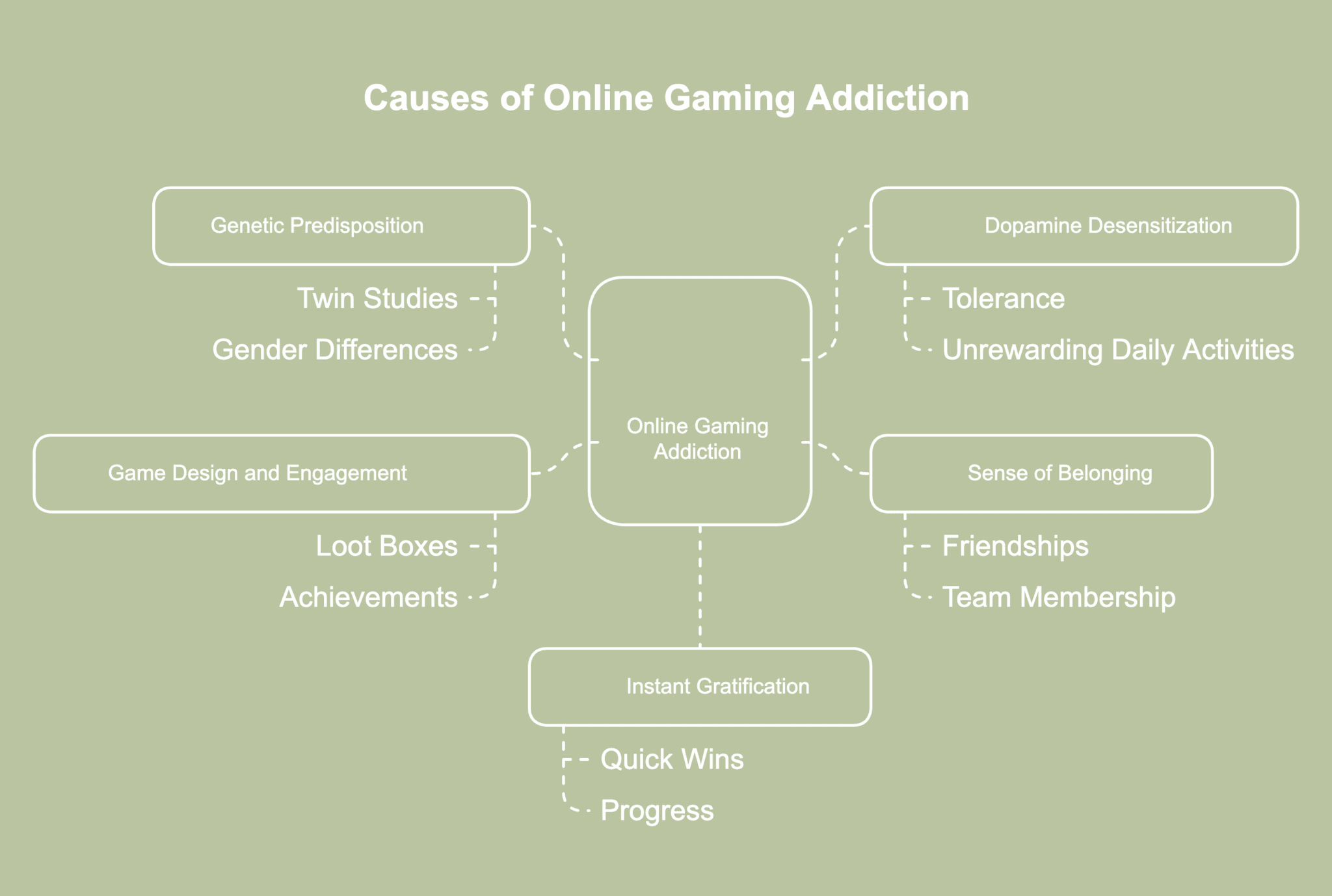
While no game or platform inherently causes a disorder, certain characteristics can make some more engaging or potentially problematic for vulnerable individuals. Games with endless progression systems, competitive ladders, and strong social elements like Massively Multiplayer Online (MMO) games (e.g., World of Warcraft), competitive online multiplayer games (e.g., League of Legends, Valorant), and some free-to-play mobile games with aggressive monetization strategies or daily engagement bonuses can be particularly engrossing. The constant updates, social pressure from guilds or friends, the reward cycles, and the fear of missing out (FOMO) can contribute to excessive play. Cross-play titles across PC, console, and mobile also make it easier to game constantly. It's not the game itself, but how an individual interacts with these features and whether their gaming habits begin to negatively impact their life that determines if a disorder is present.
What Practical Strategies Can Help Maintain Healthy Gaming Habits?
Maintaining a healthy balance between gaming and life's other demands is totally achievable. Here are some practical, gamer-approved strategies:
Set Clear Time Limits: Decide beforehand how long you'll play, and stick to it. Use in-game timers or external apps if needed. Treat gaming like any other appointment.
Schedule Non-Gaming Activities: Make sure you're dedicating time to exercise, hobbies, family, and work. Prioritize these, and then fit gaming around them.
Create a Dedicated Gaming Space: If possible, have a specific area for gaming. This helps mentally separate gaming from other life activities and can make it easier to step away.
Balance Social Play: While social gaming is great for connection, ensure you're also fostering real-world relationships and not solely relying on in-game interactions.
Take Regular Breaks: Step away from the screen every hour or so. Stretch, grab water, look out a window. This helps prevent eye strain and mental fatigue.
Monitor Spending: Keep track of in-game purchases, especially in free-to-play titles. Budget for gaming just like any other entertainment expense to avoid financial strain.
Recognize Your Triggers: Understand what makes you want to game excessively – is it stress, boredom, loneliness? Find healthier coping mechanisms for these feelings.
Diversify Your Entertainment: Explore other hobbies like reading, hiking, learning a skill, or watching movies. Gaming is fun, but a rich life includes many interests.
When Should a Gamer Consider Seeking Professional Help?
It can be tough to admit when a hobby might be becoming a problem, but knowing when to seek professional help is a sign of strength. If your gaming consistently leads to significant problems in your life—like losing a job, failing classes, severe relationship issues, or serious health consequences (e.g., extreme sleep deprivation, poor hygiene)—and you've tried unsuccessfully to cut back or stop, it's time to consider professional support. If you're experiencing intense distress, anxiety, or depression related to your gaming habits, or if you find yourself lying about your playtime, these are strong indicators that a professional might be able to help you regain control and find a healthier balance. You don't have to tackle this alone.
Where Can Gamers Find Support and Resources for Gaming Disorder?
Finding help is the first big step towards a healthier relationship with gaming. There are several avenues for support:
Mental Health Professionals: Therapists, psychologists, and counselors specializing in addiction or behavioral disorders can provide individual therapy (like Cognitive Behavioral Therapy) to help you understand and change problematic patterns.
Support Groups: Groups like Internet and Technology Addicts Anonymous (ITAA) offer a community setting where individuals can share experiences and support each other's recovery.
Online Resources: Websites from organizations like the APA, WHO, or reputable mental health charities often provide information, self-assessment tools, and directories for finding local help.
Family Doctors: Your primary care physician can be a great first point of contact. They can assess your overall health, rule out other conditions, and refer you to specialists.
Helplines: Many national and local mental health organizations offer helplines for immediate support and guidance on finding resources.
Remember, reaching out is a sign of courage. A balanced gaming life is entirely possible, and getting the right support can make all the difference.
Conclusion
Understanding whether "is gaming addiction a disorder" is more than just a medical debate; it's about empowering gamers to cultivate healthy, enjoyable habits that enrich their lives. Gaming offers incredible benefits, from stress relief and social connection to skill development. By recognizing the signs of problematic behavior, setting healthy boundaries, and knowing when and where to seek help, we can ensure that gaming remains a positive force. It’s about optimizing your experience so you can enjoy your digital adventures without sacrificing your real-world success or well-being. What's your biggest gaming challenge when it comes to balancing life? Comment below and share your tips!
FAQ Section
Is Gaming Disorder a real medical condition?
Yes, the World Health Organization (WHO) officially recognized Gaming Disorder as a mental health condition in its ICD-11, characterized by impaired control over gaming that significantly impacts daily life.How much gaming is too much?
There's no single "too much" number; it depends on the impact. If gaming negatively affects your job, relationships, health, or other responsibilities, regardless of hours, it might be problematic.Can social gaming contribute to gaming disorder?
While social gaming can be healthy, intense social pressure, competition, or fear of missing out (FOMO) within online communities can sometimes exacerbate problematic gaming behaviors for vulnerable individuals.What should I do if my friend or family member shows signs of gaming disorder?
Approach them with empathy and concern, not judgment. Encourage open conversation, share information about healthy gaming, and suggest seeking professional help if their gaming is causing significant life problems.Are children and teenagers more at risk for gaming disorder than adults?
While adolescents may be more susceptible due to developing brains and social pressures, adults, especially those balancing demanding lives, can also develop gaming disorder if their gaming becomes a maladaptive coping mechanism.Does "free-to-play" gaming make addiction worse?
Free-to-play games often utilize engaging monetization strategies and reward loops that can encourage excessive play and spending. While not inherently addictive, these mechanisms can be a factor for individuals prone to problematic gaming.Official recognition of Gaming Disorder by WHO and APA. Differentiating passionate gaming from problematic patterns. Key signs of gaming disorder affecting daily life. Impact on mental health, relationships, and work. Practical strategies for healthy gaming habits. Resources for seeking professional support. Importance of balancing gaming with real-world responsibilities. Understanding US gamer demographics and prevalence.
35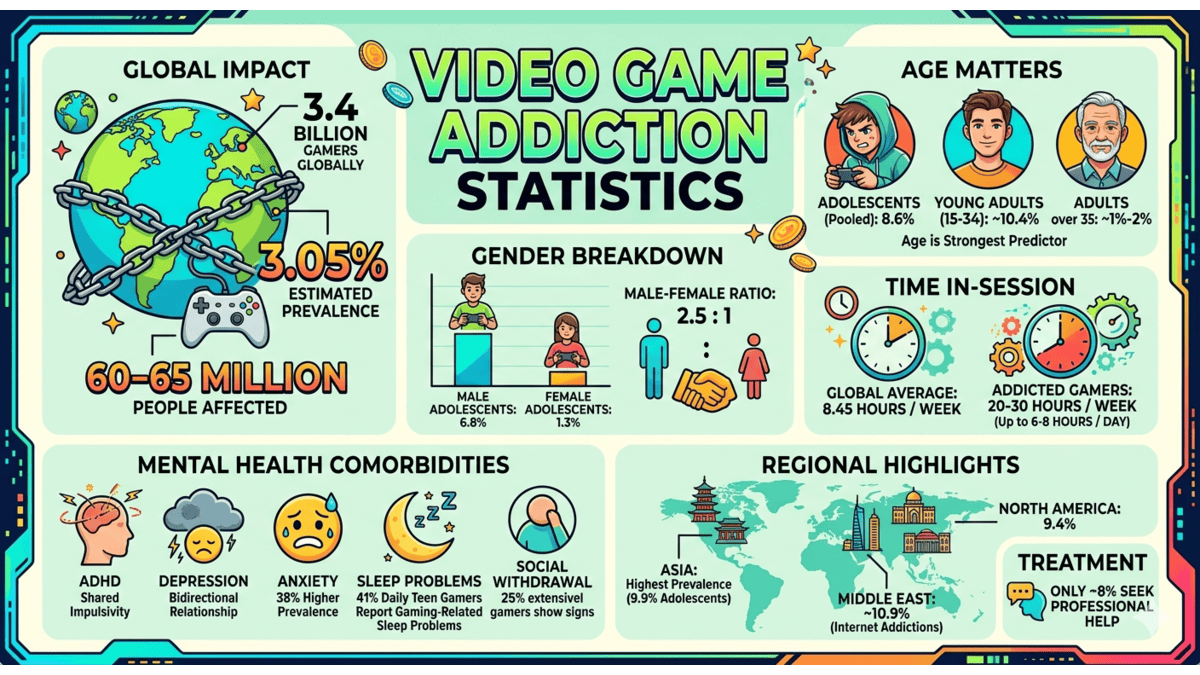

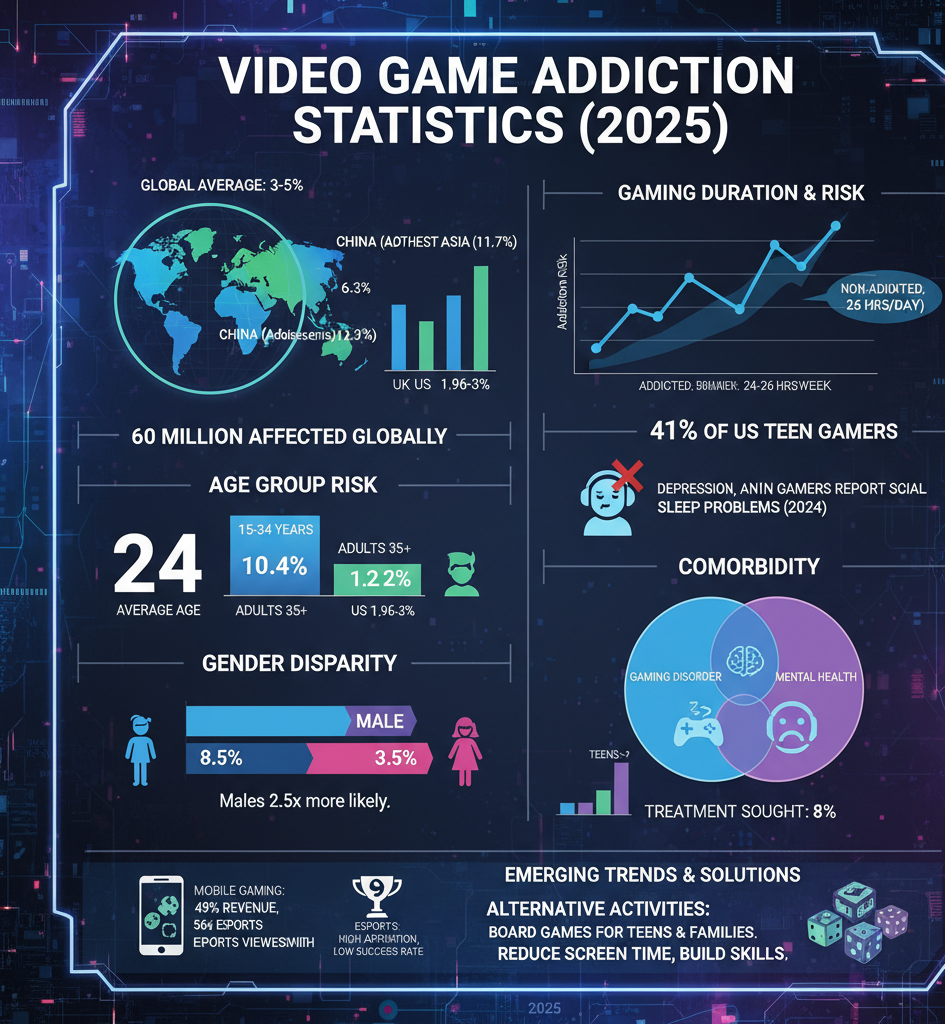

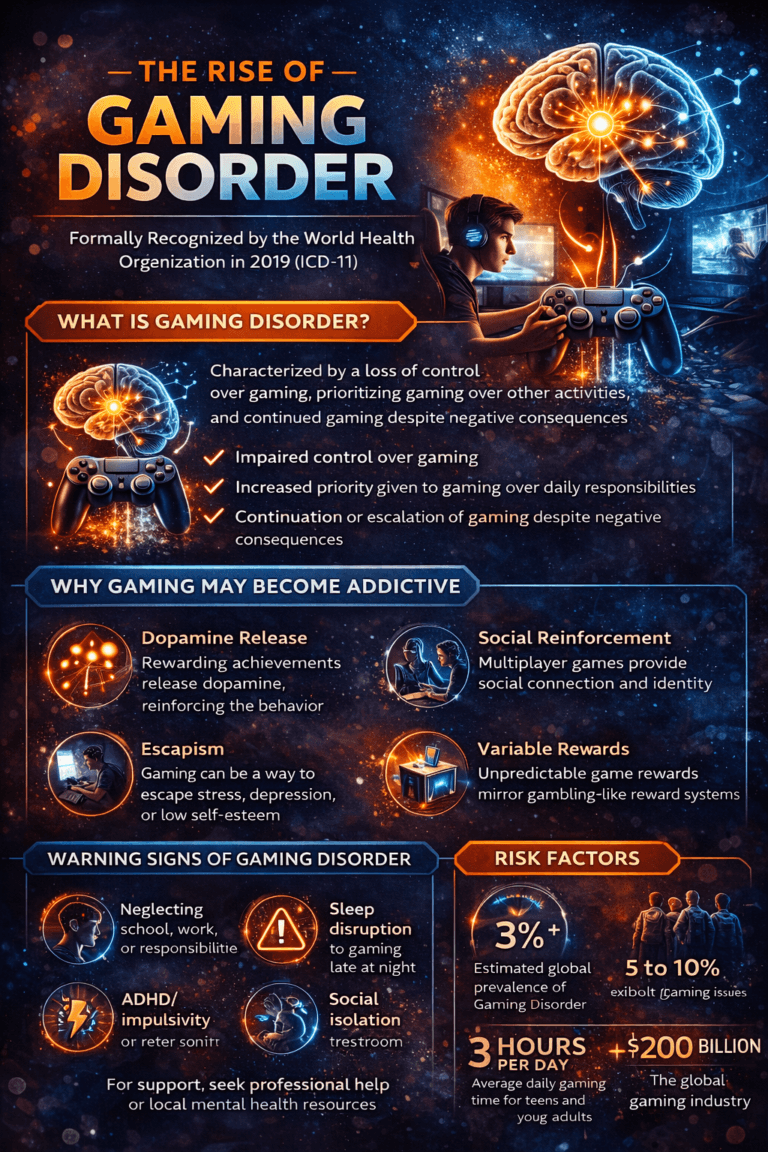
Video Game Addiction Statistics 2026 Video Game Addiction Statistics 2026 . 30 Video Game Addiction Statistics Video Game Addiction Infographic . Video Game Addiction Statistics 2025 Video Game Addiction Statistics 2025 . Global Gaming Addiction Statistics 2025 Global Gaming Addiction Statistics 2025 . The Rise Of Gaming Disorder Addiction Treatment For You Rise Of Gaming Disorder IG 768x1152

The Rise Of Gaming Disorder Addiction Treatment For You Rise Of Gaming Disorder Title . Video Game Addiction Lawsuit June 2026 Update King Law What Is Video Game. Internet Gaming Video Gaming Addiction A Case Observation What Is Internet Gaming Video Gaming Addiction . Video Game Addiction 11 Signs Symptoms And Treatments Video Game Addiciton Graphics 04 The Three Levels Of Gaming Disorder 1536x768 . About Video Game Disorder What It Is And How To Spot It Signs Of Video Game

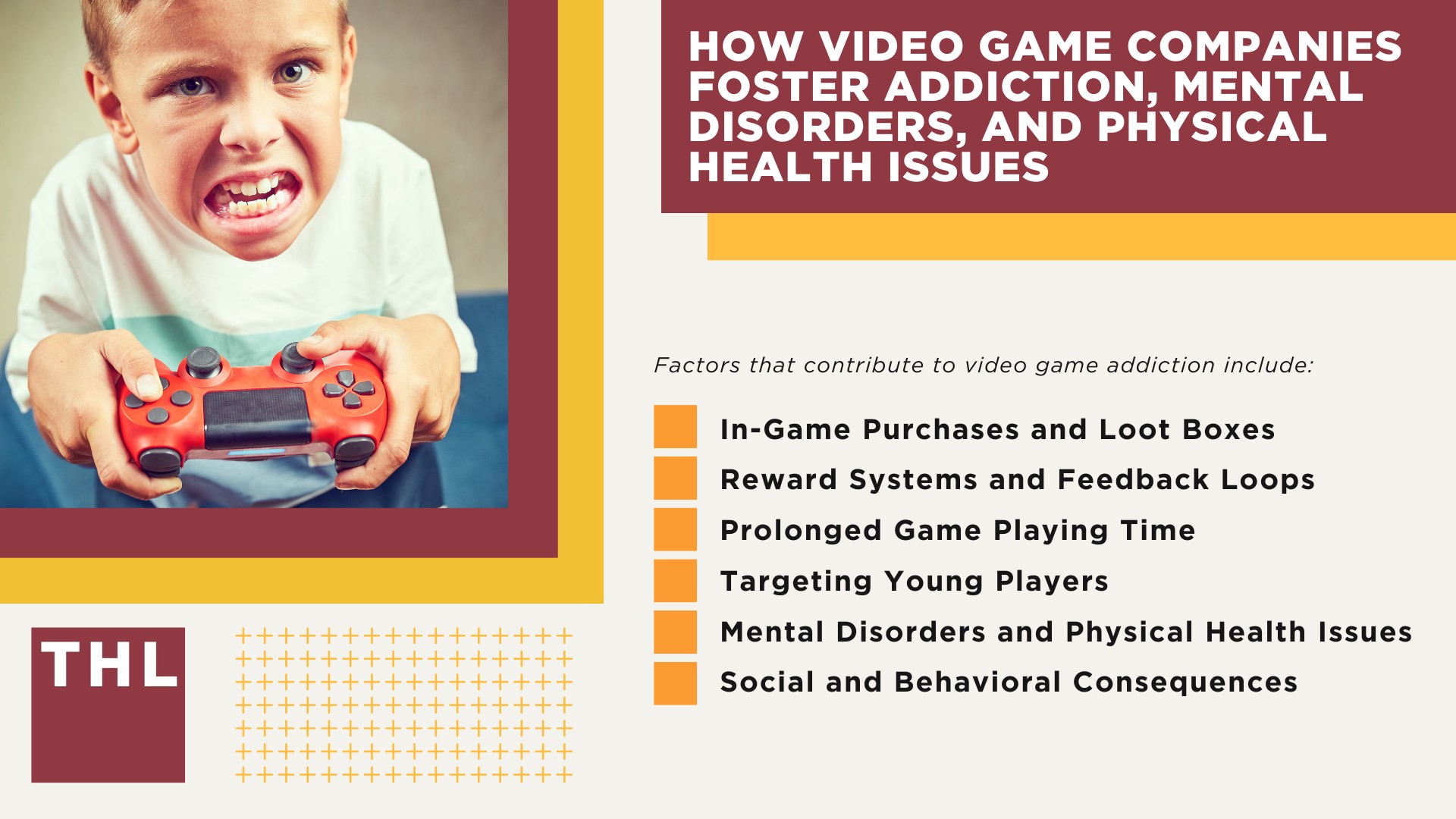
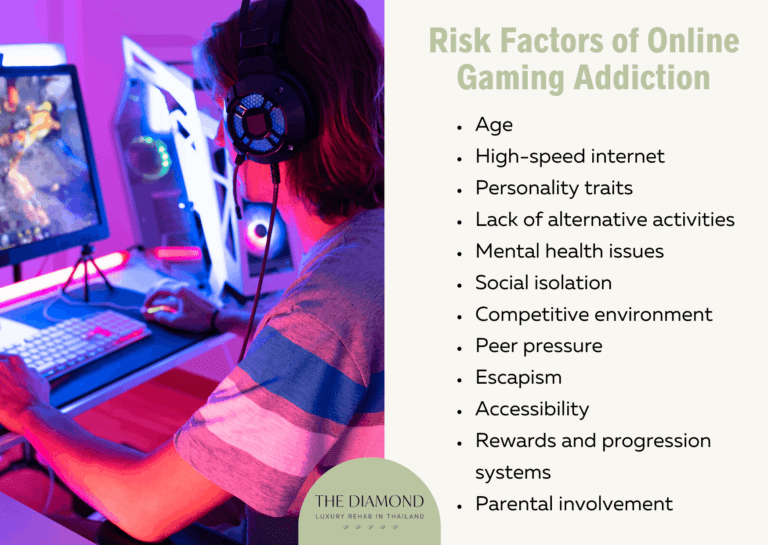
Video Game Addiction Definition Symptoms Causes Effects And Treatment The Causes Of Video Game Addiction 1536x720 . Gaming Addiction How To Identify Effectively Overcome It 30 SEP 2024 GAMING ADDICTION 2 2. Microsoft Lawsuit For Video Game Addiction 2026 Update How Video Game Companies Foster Addiction Mental Disorders And Physical Health Issues . Video Game Addiction Statistics 2026 Icon Era Statistics Video Game Addiction Statistics 2025. Online Gaming Addiction Signs Risk Factors And Treatment The Risk Factors Of Online Gaming Addiction 768x545


Video Game Addiction Symptoms Causes And Treatment What Is Video Game Addiction 1 . Video Game Addiction 11 Signs Symptoms Treatments Video Game Addiciton Graphics 01 Addiction Happens When Gaming Negatively Impacts 1536x768 . Video Game Addiction Symptoms Causes And Treatment Video Game Addiction Definition Symptoms Causes Effects And Treatment . Epic Games Lawsuit For Video Game Addiction 2026 Update King Law Video Game Addiction Lawsuit Gaming. Online Gaming Addiction Definition Symptoms Causes Effects And Causes Of Online Gaming Addiction Internet Gaming Disorder 2048x1378


Video Game Addiction 11 Signs Symptoms And Treatments Video Game Addiciton Graphics 03 Video Game Addiction Gets In The Way Of 1200x600 . 50 Helpful Video Game Addiction Statistics Facts In 2026 Statistics On The Most Addictive Video Game Genres 1024x576 .webp. Video Game Addiction Signs Symptoms And How To Get Help Treatment For Gaming Addiction . 50 Helpful Video Game Addiction Statistics Facts In 2026 Statistics On The Most Addictive Video Games 1024x576 .webp. Video Game Addiction 11 Signs Symptoms And Treatments Video Game Addiciton Graphics 04 The Three Levels Of Gaming Disorder 1200x600




Video Game Addiction Statistics 2026 Latest Research The Small Video Game Addiction Statistics 768x512 . 2026 Video Game Addiction Statistics 100 Verified Facts Image. Gaming Addiction Symptoms Effects And Treatment Website 4 1 . EA Games Lawsuit For Addiction And Mental Harm 2026 Update The Physical And Mental Health Effects Of Gaming Addiction 1536x864 . 20 Gaming Addiction Statistics Verified 2026 Image

Gaming Disorder Latest Research And Treatment Approaches Gaming Disorder Risk Factors 600x343 . Video Game Addiction Definition Symptoms Causes Effects And Treatment Video Game Addiction Sign 768x528 . Video Game Addiction Statistics 2023 Gaming Stats By Age 1024x681 . Computer Game Addiction Game Addiction Symptoms NOSXAT 3 . Online Gaming Addiction Signs Risk Factors And Treatment The Signs Of Online Gaming Addiction 768x545