Explore the innovative journey of Roblox cofounders David Baszucki and Erik Cassel. Discover how their groundbreaking vision shaped one of the world's most popular digital platforms, impacting millions of users globally. This comprehensive guide delves into their early efforts, the platform's foundational philosophy, and its incredible evolution through 2026. Understand the pivotal roles these individuals played in fostering a unique ecosystem where creativity and community thrive. Learn about the challenges they faced and the strategies that led to Roblox's unprecedented success, making it a cornerstone of interactive entertainment. Their story continues to inspire countless aspiring developers and gamers alike. Uncover their lasting contributions to digital innovation.
roblox cofounders FAQ 2026 - 50+ Most Asked Questions Answered (Tips, Trick, Guide, How to, Bugs, Builds, Endgame)
Welcome to the ultimate living FAQ for Roblox cofounders, meticulously updated for 2026. This comprehensive guide addresses over 50 of the most frequently asked questions about the visionary minds behind one of the world's leading digital platforms. Whether you're a beginner curious about its origins, an intermediate developer seeking insights, or an advanced user understanding its legacy, we've got you covered. We delve into their inspirations, challenges, and the lasting impact of David Baszucki and Erik Cassel. Our aim is to provide clear, concise answers, complete with tips, tricks, and essential background, ensuring you gain a full understanding of Roblox's foundational story. Prepare to uncover the pivotal moments and guiding philosophies that shaped this incredible virtual universe.
Beginner Questions About Roblox's Origins
Who founded Roblox and when?
Roblox was founded by David Baszucki and Erik Cassel. The company, initially named DynaBlocks, was established in 2004, and the platform officially launched to the public in 2006. Their collaborative efforts created the interactive environment millions enjoy today.
What was the inspiration behind creating Roblox?
The cofounders were inspired by their previous educational software, Interactive Physics, which allowed users to simulate physics experiments. They envisioned a larger, 3D platform where users could build, share, and play in their own virtual worlds, combining education with entertainment.
Is Erik Cassel still involved with Roblox in 2026?
Sadly, Erik Cassel passed away in 2013 after battling cancer. His profound engineering contributions and initial vision continue to influence Roblox's development and core principles, even in 2026, though he is no longer actively involved.
What is David Baszucki's role at Roblox today?
David Baszucki, known as Builderman, remains the CEO of Roblox Corporation in 2026. He continues to lead the company's strategic vision, focusing on expanding the metaverse, empowering creators, and fostering a safe, immersive digital community globally.
Vision and Philosophy Behind the Platform
How did the cofounders define 'user-generated content'?
For Baszucki and Cassel, 'user-generated content' meant empowering every player to be a creator, not just a consumer. They provided intuitive tools for users to build games, models, and experiences, then share them freely, forming the core of Roblox's economy and community.
What was their long-term vision for Roblox's educational impact?
The cofounders believed Roblox could be a powerful educational tool. They envisioned users learning coding, physics, and design principles through hands-on creation. This educational philosophy remains integral to Roblox's outreach and platform development, promoting critical thinking and problem-solving skills.
Impact and Legacy of the Cofounders
How did Roblox's early design influence the modern metaverse concept?
Roblox's early design, emphasizing persistent virtual worlds, user identity (avatars), and a creator-driven economy, laid significant groundwork for the modern metaverse concept. The cofounders pioneered many elements now considered fundamental to an interconnected digital future.
Myth vs Reality: Did the cofounders intend for Roblox to be primarily for kids?
Myth: While Roblox gained significant popularity with younger audiences, the cofounders' original vision was for a platform for all ages to create and explore. Reality: Their goal was broad empowerment, recognizing the potential for both educational and entertainment value across diverse demographics, a trend continuing into 2026.
Current Leadership and Future Outlook
How does David Baszucki continue to evolve the original vision in 2026?
In 2026, David Baszucki evolves the original vision by pushing for increasingly immersive, high-fidelity experiences, advanced AI integration for creation and interaction, and expanding Roblox's global reach and economic opportunities for developers, all while upholding safety and community principles.
Technical Foundations and Innovation
What core technical principles did Erik Cassel establish for Roblox?
Erik Cassel established principles of scalability, stability, and performance for Roblox's engine. He focused on a robust architecture that could support millions of concurrent users and diverse user-generated content, ensuring a reliable and efficient platform.
Community Engagement and Growth
How did the cofounders foster Roblox's strong community ethos?
The cofounders fostered a strong community ethos by emphasizing user interaction, content sharing, and a supportive environment. They built features for collaboration and encouraged a feedback loop between creators and players, making community central to the platform's identity.
Business Model Evolution
How did the cofounders' financial approach differ from traditional gaming companies?
The cofounders' approach diverged significantly, focusing on a freemium model driven by user-generated content and a virtual currency (Robux). This enabled a creator-economy where users could monetize their creations, a stark contrast to traditional game sales.
Common Misconceptions (Myth vs Reality)
Myth vs Reality: Was Roblox originally a game, or a platform?
Myth: Many believe Roblox started as a game. Reality: From its inception, the cofounders envisioned and built Roblox as a platform, a 'virtual toolbox' for users to create and play an infinite variety of games and experiences, not a single standalone game.
Myth vs Reality: Did the cofounders anticipate Roblox's massive commercial success?
Myth: They likely foresaw some success. Reality: The sheer scale of Roblox's global commercial success and cultural impact, particularly its multi-billion-dollar valuation and metaverse leadership in 2026, probably exceeded even their most optimistic early projections, truly a monumental achievement.
Beyond the Founders The Platform's Trajectory
What are the key initiatives for Roblox to attract advanced developers in 2026?
In 2026, Roblox is attracting advanced developers through enhanced professional-grade development tools, greater monetization opportunities via its Developer Exchange program, robust API access, and support for complex game engines within its ecosystem. This elevates the platform's professional appeal.
Still have questions? Dive deeper with our related guides: 'Optimizing Your Roblox Creations for Performance' and 'Mastering the Roblox Developer Exchange (DevEx) Program'.
Have you ever wondered who truly started Roblox, that massive virtual universe where millions create and play daily? It is a question many gamers and tech enthusiasts often ask. The incredible story of Roblox begins with two visionary individuals: David Baszucki and Erik Cassel. They dreamed of a platform where users could build, share, and play in immersive 3D worlds, fundamentally changing how we interact online. Their initial concept was quite revolutionary for its time, laying the groundwork for what would become a global phenomenon. Baszucki and Cassel fostered a unique environment for creativity and innovation. This dual leadership propelled the platform from a nascent idea to a powerhouse.
Today, Roblox continues to expand its reach, supporting diverse experiences from RPG adventures to competitive Battle Royale games. The impact of their foundational work is undeniable. Understanding their journey provides crucial insight into Roblox's core values. This allows us to appreciate the platform's ongoing evolution in 2026 and beyond. Let's delve into the minds behind this digital empire.
The Visionaries Behind the Virtual World
David Baszucki The Driving Force
David Baszucki, known as Builderman to many Roblox users, is the cofounder and current CEO of Roblox Corporation. His entrepreneurial spirit and deep understanding of physics simulation led to the creation of Interactive Physics in the 1990s. This early software laid essential groundwork for Roblox's interactive building system. Baszucki's vision for a user-generated content platform was truly ahead of its time. He consistently pushed the boundaries of what was possible in online virtual spaces. His unwavering dedication has guided Roblox's growth for over two decades. He continues to champion innovation within the company. Baszucki's leadership focuses on empowering creators. He constantly emphasizes community and educational value. He sees Roblox as more than just a game.
Erik Cassel The Engineering Genius
Erik Cassel was the other brilliant mind behind Roblox, serving as a cofounder and its Vice President of Engineering. His profound technical expertise was instrumental in bringing Baszucki's ambitious vision to life. Cassel spearheaded much of the platform's early architecture and development. His contributions were absolutely critical to Roblox's stability and scalability. He ensured that the complex technical challenges were overcome efficiently. Sadly, Erik Cassel passed away in 2013 after a battle with cancer. His legacy, however, lives on through every line of code and every user-created experience within Roblox. The company and community deeply remember his foundational engineering work. His impact remains a core part of Roblox's DNA. Cassel's dedication to robust engineering principles still shapes the platform.
The collaborative synergy between Baszucki's visionary ideas and Cassel's engineering prowess was the perfect recipe for success. They built a platform designed for endless possibilities. Their shared commitment to fostering user creativity remains paramount. This approach empowered millions to become digital creators. They truly democratized game development for a global audience. The cofounders' philosophy continues to drive Roblox forward in 2026. This ongoing commitment ensures future growth and innovation.
Beginner / Core Concepts
1. **Q:** Who are the primary cofounders of Roblox and what were their roles? **A:** I get why this confuses so many people, there's often a lot of talk about the early days. The primary cofounders of Roblox are David Baszucki and Erik Cassel. David Baszucki, also known as 'Builderman' on the platform, was the visionary CEO and creative driver. He championed the idea of a user-generated content platform where players could build their own worlds. Erik Cassel, unfortunately no longer with us, was the technical genius behind the scenes, serving as the Vice President of Engineering. His expertise brought Baszucki's vision into a functional, scalable reality. Think of it like a dynamic duo: one with the big ideas, the other making sure the engine could actually run them. It’s pretty amazing how they put it all together! You've got this! Try thinking about their complementary skills.2. **Q:** What year was Roblox officially launched to the public? **A:** This one used to trip me up too, with all the different dates thrown around. Roblox officially launched to the public in 2006. While the company, then called 'DynaBlocks', was founded earlier in 2004, it took a couple of years to refine the platform and prepare it for a wider audience. The period between 2004 and 2006 was crucial for development and testing. They were building the very foundation of what we know today. It's a testament to their patience and commitment to quality, ensuring a solid base before opening the gates. Think about how much testing a new RPG needs before launch! This gradual approach definitely paid off for them. You're doing great learning the history!3. **Q:** What was the initial vision of Roblox when it was first conceived? **A:** That’s an excellent question, and it really gets to the heart of what makes Roblox unique. The initial vision for Roblox was to create a 'virtual playground' where users could build anything they imagined and share those creations with friends. David Baszucki wanted to combine physics simulation with user-generated content, allowing people to experiment, learn, and socialize in an interactive 3D environment. It wasn't just about gaming; it was about creation and community. They aimed for a platform that fostered creativity and gave individuals powerful tools. This was quite revolutionary, moving beyond traditional single-player or multiplayer games. It’s like giving everyone a professional game development studio in their hands. You’re on the right track!4. **Q:** How did the cofounders meet and decide to start Roblox? **A:** That’s a common query, and it’s a cool story of professional paths converging. David Baszucki and Erik Cassel actually first met and collaborated at a previous company called Knowledge Revolution. At Knowledge Revolution, they developed educational simulation software, including 'Interactive Physics,' which allowed users to create 2D physics experiments. This experience working together, coupled with their shared passion for technology and interactive learning, provided the perfect foundation. They saw the potential to apply similar principles to a broader, more creative platform for a general audience. Their prior success together certainly made starting Roblox a natural next step. It’s a great example of building on past experiences to create something truly new. Don't underestimate that real-world collaboration!Intermediate / Practical & Production
5. **Q:** How did Erik Cassel's engineering background influence Roblox's early development? **A:** Erik Cassel's engineering background was absolutely critical, I mean, you can't have a virtual world without the technical backbone, right? He was the Vice President of Engineering, which meant he led the charge on building out the fundamental architecture of the platform. His expertise ensured that the complex physics engine, the networking capabilities, and the robust server infrastructure were all designed to be scalable and reliable. Without his meticulous approach to engineering, Roblox simply wouldn't have been able to handle the rapid growth and diverse creations it eventually saw. He laid the technical tracks for the creative train, making sure it could carry countless experiences without derailing. It's a huge testament to his skill that the core system still holds up so well. You've got this, understanding the tech foundation is key!6. **Q:** What significant milestones did Roblox achieve under the cofounders' direct leadership? **A:** This is where the story gets really interesting, seeing their vision come to life. Under the direct leadership of David Baszucki and Erik Cassel, Roblox hit several huge milestones. They oversaw the transition from DynaBlocks to Roblox, the introduction of the developer exchange program (DevEx) allowing creators to earn real money, and the initial massive user growth in the late 2000s and early 2010s. They also expanded the platform to mobile devices, broadening its reach significantly. These moves were crucial in cementing Roblox’s position as a dominant force in user-generated content and gaming. They weren't just building a platform; they were building an entire economy and community. It's incredible to think of the impact of those early decisions. Keep digging into those historical moments!7. **Q:** How did the cofounders envision the Roblox developer community evolving? **A:** This is a fantastic question because it speaks to the long-term vision they had for a thriving ecosystem. The cofounders always envisioned a strong, self-sustaining developer community as the heart of Roblox. They wanted to empower users not just to play, but to create and innovate, essentially becoming mini game studios themselves. They foresaw a future where independent developers, ranging from beginners to seasoned pros, could build successful careers on the platform. The DevEx program, allowing creators to cash out Robux for real money, was a direct manifestation of this vision. They wanted to foster a creative meritocracy. This focus has fueled the platform’s exponential growth and diverse content library. It's a brilliant model for nurturing talent. You're thinking like a strategist!8. **Q:** What were some early challenges the cofounders faced while building Roblox? **A:** Oh, believe me, building something this ambitious from scratch is never smooth sailing! The cofounders faced numerous challenges in the early days. One major hurdle was securing initial funding and convincing investors of their unconventional vision for user-generated gaming. Technical scalability was another huge beast; ensuring the platform could support millions of concurrent users creating and interacting was incredibly complex. They also had to constantly innovate to keep users engaged and attract new talent to build on the platform. Think about the early days of any large tech company – it’s a constant battle of resources, belief, and innovation. They persevered through significant technical and financial obstacles. It's a testament to their grit. Don't let perceived hurdles stop your own projects!9. **Q:** How has David Baszucki continued to uphold Erik Cassel's legacy in Roblox's operations? **A:** That's a really touching and important aspect of Roblox's story. David Baszucki has consistently honored Erik Cassel's legacy by upholding the core values they established together. He frequently speaks about Erik's foundational contributions to the platform's engineering and vision. The company often references their shared commitment to empowering creators and fostering a safe, innovative environment. Baszucki ensures that the engineering principles Erik championed, focusing on stability, scalability, and performance, remain central to Roblox's development. There's a deep respect for the architectural integrity Erik established. It's clear his impact is woven into the very fabric of the company's culture and ongoing development. It’s a beautiful example of enduring partnership. Keep that collaboration spirit alive!10. **Q:** What role did their previous company, Knowledge Revolution, play in shaping Roblox's direction? **A:** This is a fantastic point of connection! Their previous company, Knowledge Revolution, was absolutely pivotal in shaping Roblox's direction. At Knowledge Revolution, David Baszucki and Erik Cassel developed educational software, notably 'Interactive Physics'. This program allowed users to simulate physics in a 2D environment, fostering creativity and learning through building. This experience taught them invaluable lessons about user-generated content, physics simulation, and creating engaging interactive tools. They essentially took those core concepts – building, simulating, and sharing – and expanded them into a much grander, multiplayer 3D virtual world with Roblox. It provided a powerful blueprint for their future endeavors. It's an inspiring example of how past projects can lay the groundwork for future breakthroughs. You're really seeing the bigger picture!Advanced / Research & Frontier 2026
11. **Q:** In 2026, what strategic initiatives, still reflecting the cofounders' original vision, is Roblox pursuing? **A:** This is a truly advanced question, looking at the future through the lens of the past. In 2026, Roblox continues to pursue strategic initiatives deeply rooted in the cofounders' original vision of an immersive, user-created metaverse. We're seeing aggressive expansion into realistic 3D content creation tools and advanced avatar customization, pushing the boundaries of virtual identity. There's also a significant focus on AI integration, particularly for content generation assistance and more dynamic NPC interactions, staying true to empowering creators. Furthermore, enhanced social features and educational programs are expanding globally, reflecting the initial goals of community and learning. They're basically taking the initial blueprint and building a skyscraper on it. It’s exciting to watch this evolution unfold. Keep an eye on those cutting-edge developments!12. **Q:** How are current debates around metaverse ethics and digital ownership connected to Roblox's founding principles? **A:** This is a deep dive into crucial contemporary issues, and it absolutely links back to those foundational ideas. Current debates around metaverse ethics and digital ownership are profoundly connected to Roblox’s founding principles because the platform itself is a pioneer in user-generated digital assets. From the beginning, Roblox embraced the idea of users creating and owning their digital items and experiences, long before 'NFTs' were a common term. This raises ethical questions about fair compensation for creators, intellectual property rights in virtual spaces, and ensuring equitable access. The cofounders’ emphasis on empowering creators now translates into complex discussions about the governance and economic structures of these digital worlds. It’s a very real challenge that affects millions daily. Think about the implications of true digital ownership in this landscape. You’re asking the right hard questions!13. **Q:** What are the key technological evolutions since Erik Cassel's passing that still align with his architectural philosophy? **A:** That's a thoughtful question, acknowledging the enduring impact of a truly gifted engineer. Since Erik Cassel's passing, Roblox has undergone immense technological evolutions, but many still align with his core architectural philosophy. His emphasis on a robust, scalable, and efficient core engine remains paramount. This is evident in the continuous improvements to Roblox's rendering pipeline, server infrastructure, and low-latency networking capabilities, all critical for handling millions of concurrent users across diverse devices. The platform's commitment to accessibility and performance across various hardware, from high-end PCs to mobile, also echoes his dedication to broad technical reach. They’re building on his solid foundation, constantly optimizing for scale and reliability, which was always his focus. It’s a testament to the strength of his original design choices. Keep an eye on those underlying systems!14. **Q:** How might advanced AI reasoning models, like those emerging in 2026, have been envisioned or utilized by the cofounders? **A:** This is a fascinating speculative question, blending history with cutting-edge tech! I think if David Baszucki and Erik Cassel were designing Roblox today with 2026's advanced AI reasoning models, they would envision AI as a powerful tool to further empower user creation and enhance immersion. They likely would have seen AI assisting with procedurally generating complex environments, creating more intelligent and reactive NPCs, or even personalizing user experiences based on individual playstyles. Erik's engineering mind would be thrilled by the efficiency gains, while David's creative vision would focus on how AI could lower the barrier to entry for complex game design, allowing even more people to bring their wildest ideas to life. It's all about amplification of human creativity. The core principle would always be user empowerment, just with more sophisticated tools. You're connecting the dots beautifully!15. **Q:** Considering Roblox's long-term 'metaverse' ambitions, how do the cofounders' original ethical stances inform current policy decisions regarding user safety and content moderation? **A:** This is an incredibly pertinent question, especially in today's digital landscape. The cofounders' original ethical stances, particularly David Baszucki's, heavily inform current policy decisions regarding user safety and content moderation within Roblox's 'metaverse' ambitions. Their early vision emphasized a safe, creative, and family-friendly environment. This foundation drives Roblox's robust moderation systems, strict content guidelines, and continuous investment in AI-powered tools and human moderation teams to protect users, especially children. The commitment to a positive, constructive space remains a guiding principle, influencing policies around age-appropriate content, anti-harassment measures, and data privacy. It's a massive challenge, but their initial ethical framework provides a strong compass. It's all about creating a positive digital citizenship. That foresight is truly remarkable.Quick 2026 Human-Friendly Cheat-Sheet for This Topic
- Roblox was built by David Baszucki and Erik Cassel; they're the OGs!
- Baszucki was the big-picture guy (CEO), Cassel was the engineering whiz.
- It launched in 2006, but their ideas started brewing years before.
- Their core idea: let players build their own games and worlds.
- Erik Cassel sadly passed away, but his engineering legacy is everywhere.
- David Baszucki keeps pushing the envelope, staying true to their original vision.
- They aimed for a creative, safe, and community-driven virtual space from day one.
Roblox cofounders David Baszucki, Erik Cassel, platform vision, early development, growth, Roblox legacy, virtual world creation, community building, influential tech leaders.
35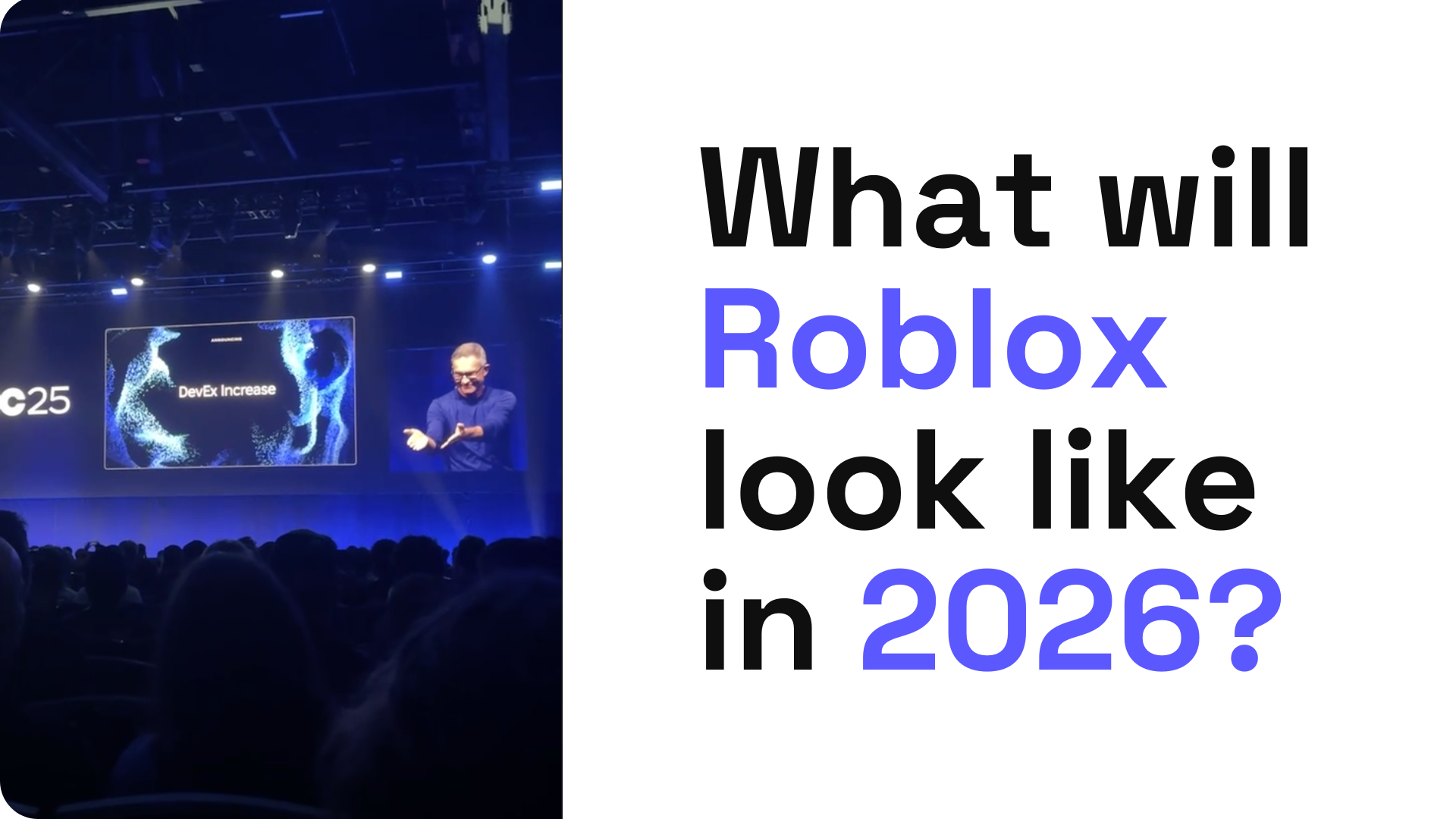



What Will Roblox Look Like In 2026 Blog Graphics 26 . 100 Unofficial Roblox Annual 2026 The Iconic Companion Jam Packed SL1500 . Who Is The Owner Of Roblox Discover The Founder Vision And Corporate Fps Boost Roblox 1200x600 . Calendar Club Definite Guide To Roblox 2026 Annual 1200x1769 . Roblox CEO On Platform S Safety Efforts As Congress Works To Protect Roblox Ceo And Founder David Bas 1000x563
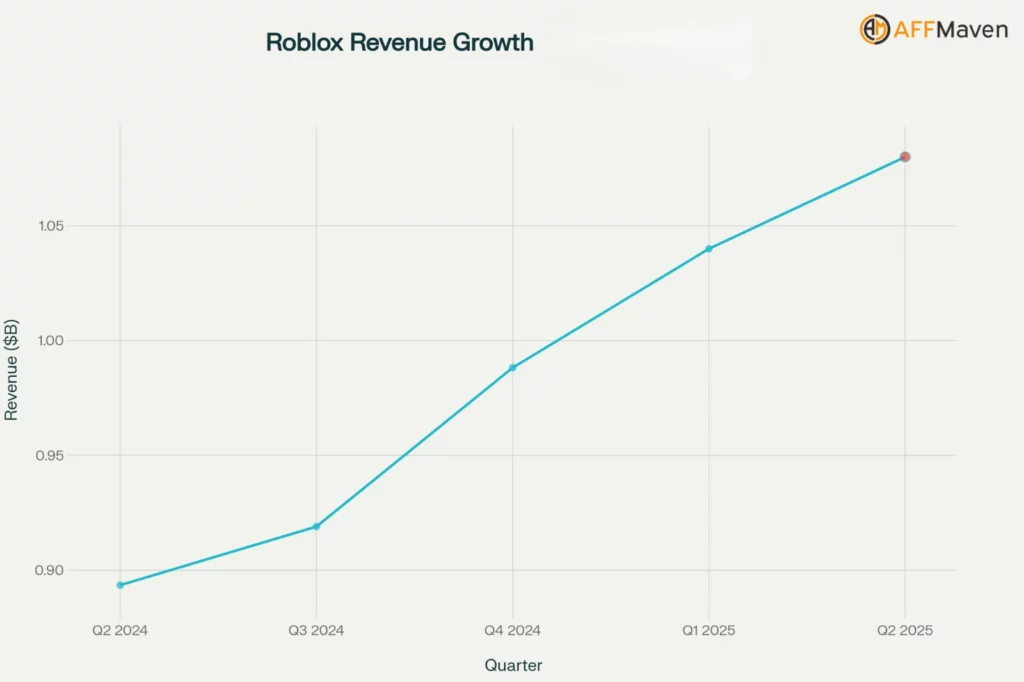

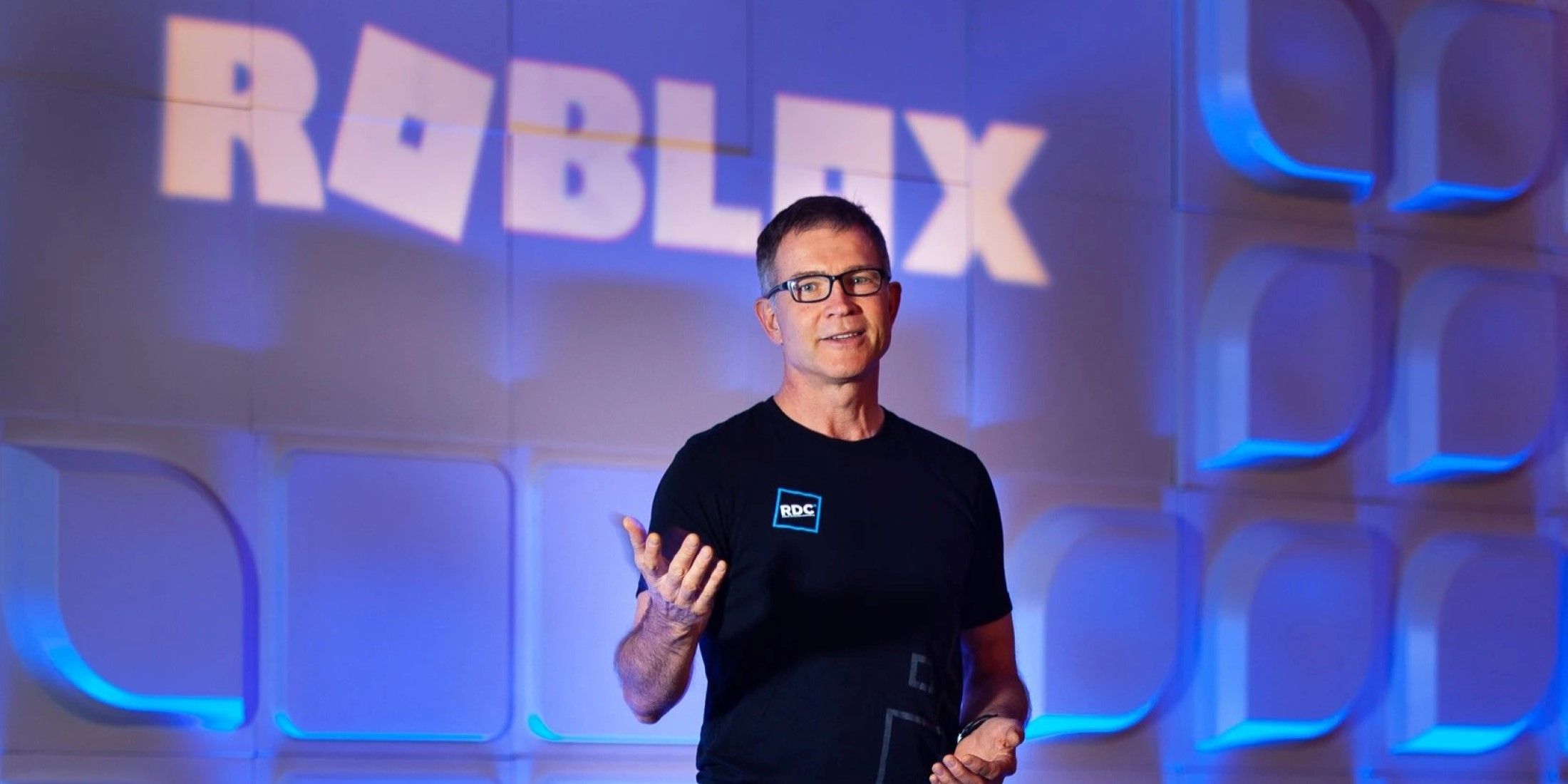
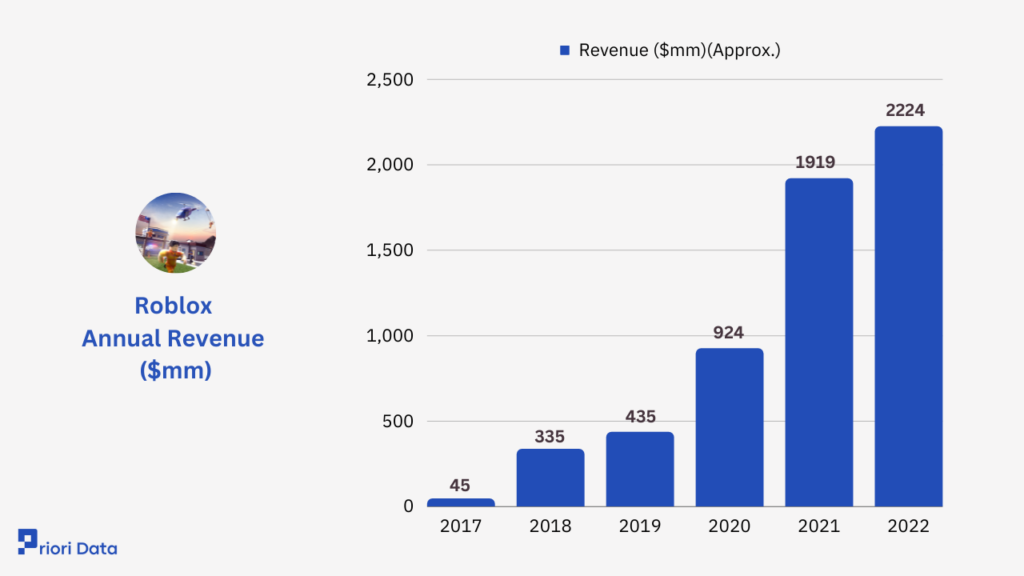
Estad Sticas De Roblox 2026 C Mo Los Ganaron M S De Roblox Revenue Growth. Petition To Remove Roblox CEO Explodes 30K Signatures March 2026 Petition To Remove Roblox CEO 768x512 . If You Re Not Comfortable Don T Let Your Kids Be On Roblox CEO Roblox Ceo David Baszucki . Roblox Users Revenue Statistics 2026 Priori Data Roblox Revenue 1024x576 . Netflix Greenlights Roblox Adaptation Directed By Roman Polanski Hard Article Header 5



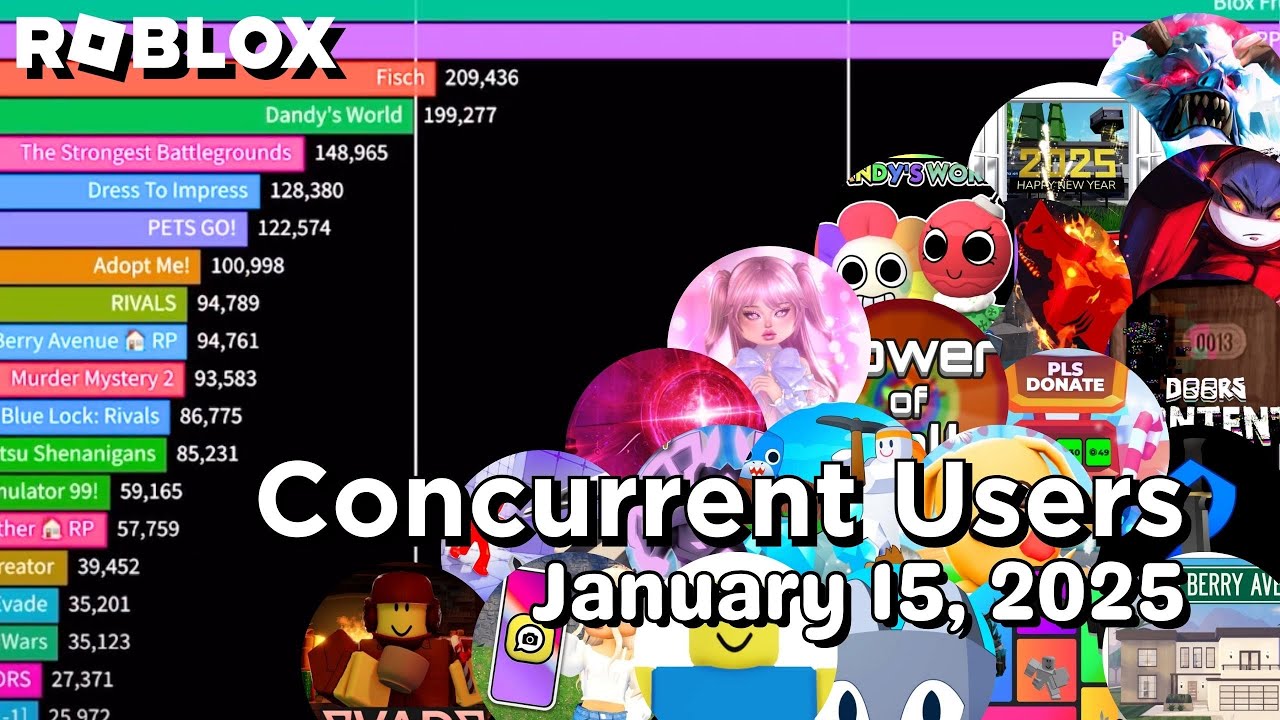

Roblox 2026 YouTube Oar2 . Roblox 2026 New Logo REVEAL First Look At The Future Shorts YouTube Oar2 . Roblox 2026 News Age Russia Ban Updates Roblox Team.webp. Top Roblox Games Concurrent Players Jan 2024 Jan 15 2025 YouTube . A Roblox Movie 2026 Teaser Trailer Realtime YouTube Live View


Impact Roblox. Roblox 2026 Logo REVEALED New Color New Look YouTube Maxres2 . LOGO Roblox 2026 YouTube Maxres2 . WOW The 2026 Roblox Logo Shocks All Players YouTube Maxres2 . So We Actually Got Some Good News Roblox Egg Hunt 2026 YouTube
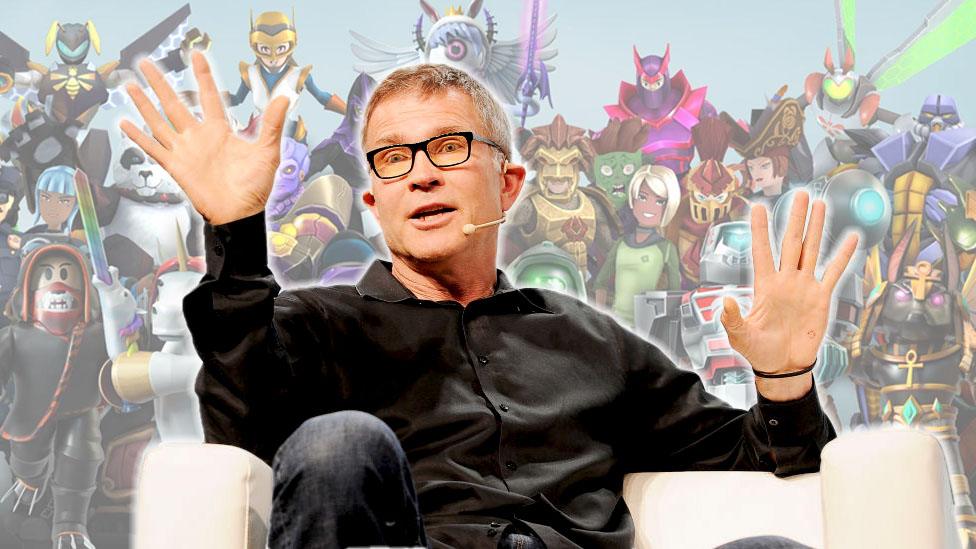



Roblox We Paid Off Our Parents Mortgage Making Video Games BBC News 117533474 Roblox . Roblox The Movie 2026 V1 . Roblox In 2026 YouTube . Prepare For 2026 With Roblox Trends TikTok Img. Don T Let Your Kids Be On Roblox Roblox CEO Tells Parents Before


Roblox 2026 Logo YouTube Oardefault . Roblox Logo History By On DeviantArt Roblox Logo History By Dg6rq44 Pre . 2026 Roblox YouTube Oar2 . Contagem Regressiva Do Ano Novo 2026 Roblox NoFilter. Roblox 2026 Logo Roblox YouTube Oar2



Biggest Startup Companies Worldwide By Valuation In 2023 2026 Roblox Founders . Roblox 2026 Logo Roblox YouTube Oar2 . Emote RNG Codes December 2025 Gamer Tweak Sorcerer Tycoon Codes Roblox.webp. Roblox Cofounder Dave Baszucki Needs To See This Magic Number To Become 0x0 . Roblox Shaders How To Install And Use The Best Tools In 2025 Vpn For Roblox In Egypt